Why Accessible Homes Matter: Creating Safer, More Inclusive Spaces
Accessibility in home design goes beyond compliance—it’s about creating safer, more comfortable living environments for everyone. Whether you’re planning for aging in place, accommodating family members, or simply creating a more functional home, understanding the benefits of accessible housing is essential for making informed decisions about your space.
Why Accessible Homes Matter: The Growing Need
Ontario’s population is aging rapidly, with over 25% expected to be over 65 by 2041. This demographic shift makes accessible home benefits increasingly important for homeowners. As mobility changes with age, daily activities like navigating stairs or safely using the bathroom can become challenging.
Accessible homes matter because they allow people to live safely and independently longer. Bathrooms, in particular, become areas of concern as slippery surfaces, narrow spaces, and hard fixtures create fall risks. Future-ready home design isn’t just about today’s needs—it’s about creating spaces that adapt as circumstances change. By incorporating universal design principles and planning for accessible bathrooms now, you avoid costly emergency renovations later while maintaining the comfort and functionality of your space.
Universal Design Principles: Building for Everyone
Universal design principles create homes that work for people of all ages and abilities. These inclusive home design benefits extend far beyond accessibility—they make daily life easier for everyone.
Key universal design principles include:
- Wide doorways and hallways for easy navigation
- Step-free entrances and level floor transitions
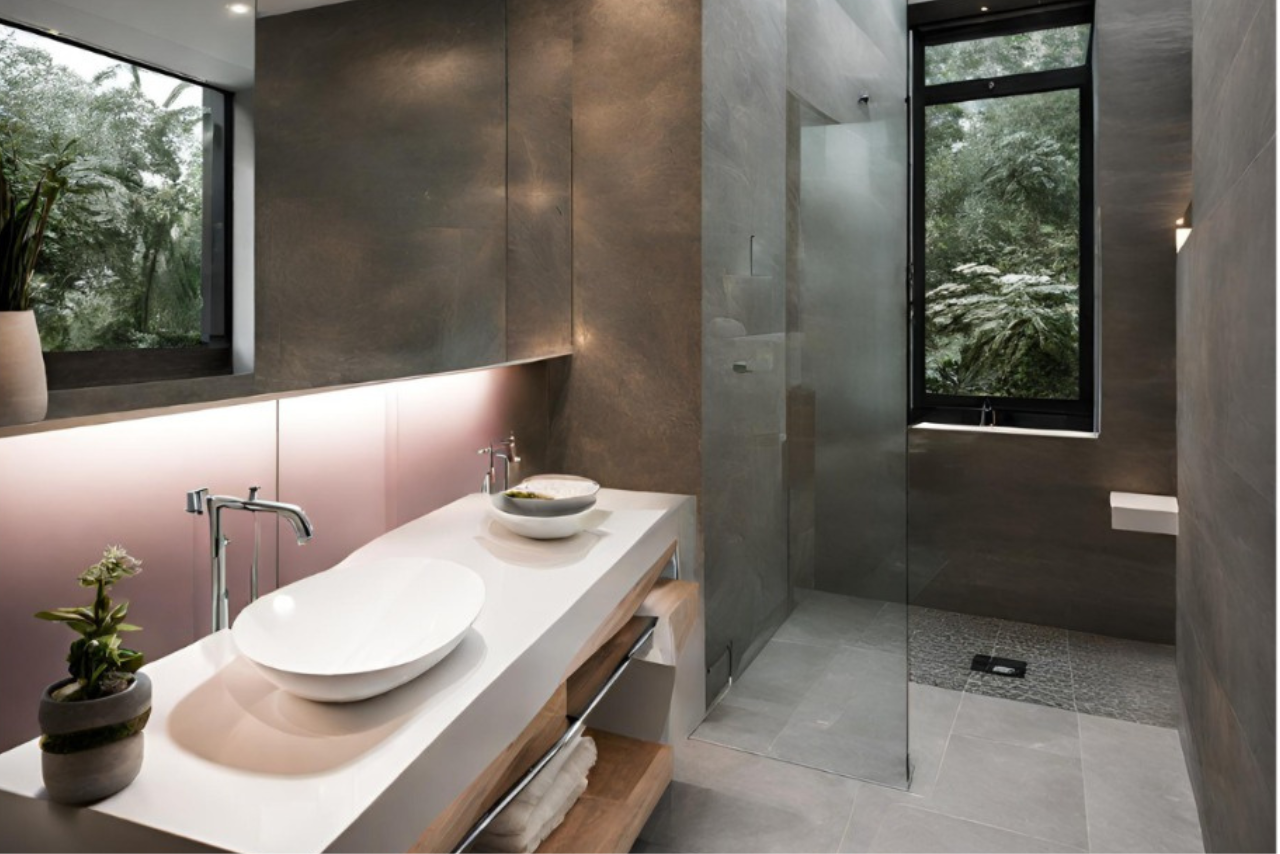
- Accessible bathrooms with roll-in showers and grab bars
- Non-slip flooring, especially in bathrooms and wet areas
- Accessible light switches and controls at comfortable heights
- Lever-style door handles that are easy to operate
- Well-lit spaces with good visibility throughout
When you apply universal design principles, you create spaces that are inherently more functional and welcoming. A parent carrying a baby, someone with temporary crutches, or an elderly grandparent all benefit from these thoughtful design choices.
Accessible Home Benefits: Safety and Independence
The benefits of accessible housing extend to every member of your household. Barrier-free living advantages include:
Enhanced Safety: Falls and accidents are leading causes of injury at home, particularly for older adults and children. Bathrooms and wet areas present especially high risks. Simple modifications like non-slip flooring, strategically placed grab bars, roll-in showers, and improved lighting significantly reduce accident risks. These accessible home benefits create peace of mind for everyone.
Greater Independence: Accessible features allow people to perform daily tasks confidently and independently. Roll-in showers, accessible kitchens, and open layouts mean less reliance on assistance and more autonomy in your own home. Accessible bathrooms are particularly important, as they’re among the most frequently used spaces where safety and independence matter most.
Long-Term Cost Savings: Future-ready home design prevents expensive emergency renovations. Planning accessible features during regular renovations is far more cost-effective than retrofitting later when needs become urgent.
Future Ready Home Design: Planning for Tomorrow
Accessible home planning means thinking beyond immediate needs. Future-ready home design incorporates features that provide flexibility as your family’s needs evolve.
Smart Planning Includes:
- Reinforced bathroom walls for future grab bar installation
- Wider doorways that accommodate mobility aids if needed
- Main floor bedrooms and full bathrooms for accessibility
- Bathroom layouts that can accommodate roll-in showers
- Electrical outlets and switches at accessible heights
- Open floor plans that allow easy navigation
- Non-slip flooring in bathrooms and high-traffic areas
This forward-thinking approach ensures your home remains comfortable and functional for decades, regardless of how your circumstances change. Planning for accessible bathrooms now—even if you don’t need them yet—is one of the smartest investments you can make.
Inclusive Housing: Benefits for Multi-Generational Living
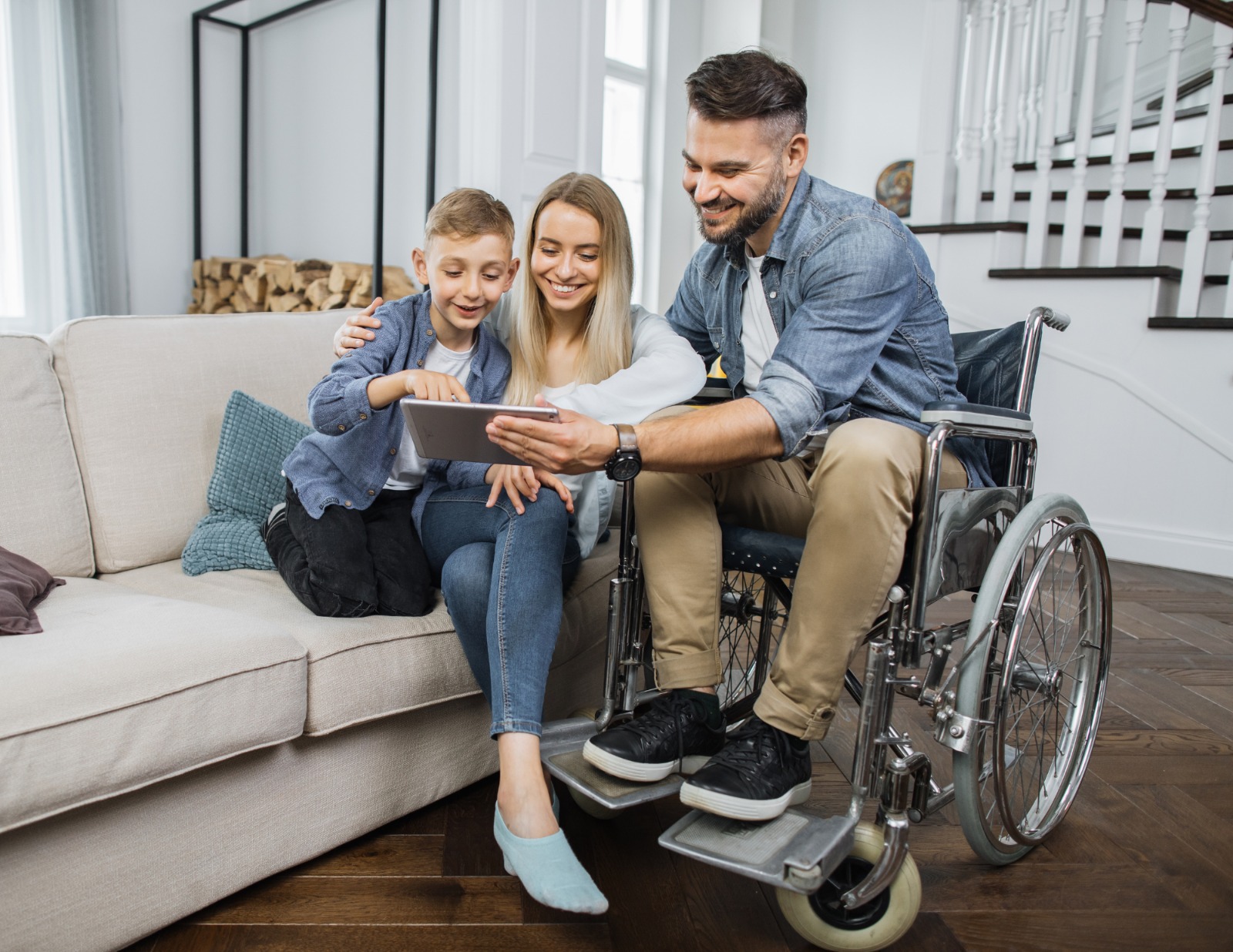
Inclusive housing serves families across multiple generations. Multi-generational home benefits are particularly valuable as families increasingly choose to live together to share costs and provide mutual support.
Multi-generational living works best when homes include:
- Accessible spaces that accommodate aging parents
- Flexible layouts that adapt to changing family needs
- Features that allow elderly family members to maintain independence
- Safe environments for both young children and older adults
Inclusive housing design means grandparents can visit comfortably, adult children can return home when needed, and everyone enjoys barrier-free living advantages together.
Taking Action: Creating Your Accessible Home
Understanding why accessible homes matter is the first step. The benefits of accessible housing—from enhanced safety to long-term cost savings—make incorporating universal design principles a smart investment in your home’s future.
Whether you’re planning a renovation, building new, or simply want to improve your current space, accessible home planning creates environments where everyone can thrive. Future-ready home design isn’t about anticipating disability—it’s about creating homes that work beautifully for all stages of life.
Contact Youbility Inc. for Accessible Home Solutions
Ready to explore how accessible design can enhance your home? Youbility Inc. specializes in creating beautiful, functional spaces that incorporate universal design principles and accessible features.
Contact us today:
- Email: info@youbility.ca
- Phone: 437-669-9981
Let’s discuss how we can help you create a home that’s safe, comfortable, and ready for whatever the future brings.